

Table of Contents
- Is Recycled Wrapping Paper Durable? What the Research Shows
- Recycled Wrapping Paper vs Regular Wrapping Paper: Durability Comparison
- Key Factors That Affect Recycled Wrapping Paper Durability
- How to Wrap Gifts with Recycled Paper Without Tearing
- Recyclable Wrapping Paper: Identifying and Selecting Durable Options
- Eco-Friendly Gift Wrapping Ideas: Durable Sustainable Choices
- Testing Recycled Wrapping Paper Durability Before You Buy
- Frequently Asked Questions
Last Updated: October 19, 2026
Is Recycled Wrapping Paper Durable? What the Research Shows
Recycled wrapping paper has become a popular choice for eco-conscious gift-givers, but many wonder whether is recycled wrapping paper durable enough to handle wrapping without tearing. The short answer is yes, recycled paper can be just as durable as regular paper, depending on paper weight, fiber quality, and handling.

At Holiday Wrapper, we know durability matters as much as sustainability.
Paper weight, recycled fiber quality, moisture resistance, and surface coatings all determine how well your wrapping paper holds up.
Recycled Wrapping Paper vs Regular Wrapping Paper: Durability Comparison
When comparing recycled wrapping paper vs regular wrapping paper, the durability difference is smaller than most people expect.
Paper Weight and Tear Resistance
Paper weight is measured in grams per square meter (gsm), and most quality wrapping paper falls between 80-120 gsm. Heavier paper (100+ gsm) resists tearing better. Holiday Wrapper's premium options are printed on 90 gsm fine art stock, balancing durability with flexibility.

Here's what matters about weight:
- 80 gsm paper: Lighter, easier to fold, but more prone to small tears
- 90-100 gsm paper: The sweet spot for most gift-givers; holds up well to normal wrapping
- 120+ gsm paper: Very sturdy; best for large or oddly-shaped gifts
Recycled paper at 90 gsm can perform comparably to virgin paper at the same weight. Well-made recycled paper uses long fibers that can create strong bonds, matching or exceeding the tear resistance of cheaper virgin paper.
Moisture and Handling Performance
How your paper handles moisture and physical stress matters more than whether it's recycled. Paper fibers absorb moisture from humid air, making them weaker, so recycled paper stored in dry conditions performs as well as virgin paper stored the same way.
Handling performance depends on:
- Storage conditions: Keep wrapping paper in dry environments (below 60% humidity)
- Folding technique: Gentle creases hold better than sharp, aggressive folds
- Tape application: Paper tears more easily near tape edges if the paper is too thin
Many gift-givers find recycled paper handles well, especially when compared to thin, cheap virgin paper.
Key Factors That Affect Recycled Wrapping Paper Durability
Several specific factors determine whether your recycled wrapping paper will hold up during wrapping and storage.
Paper Fibers and Cellulose Quality
Recycled paper starts as used paper broken down and reformed, and the quality of that process directly affects durability. High-quality recycled paper uses advanced screening to remove contaminants and preserve long cellulose fibers, which create a stronger structure than short fibers.
What to look for:
- Fiber length: Longer fibers create stronger paper (this isn't listed on packaging, but premium recycled papers use longer fibers)
- Brightness and smoothness: Well-processed recycled paper has a smooth surface that resists tearing
- Consistent texture: Uneven texture indicates poor processing and lower durability
Recycled paper made from high-quality waste streams (office paper, magazines) can be more durable than paper from mixed waste, and the durability gap between recycled and virgin paper can narrow significantly when both use quality materials.

Glitter, Foil, and Plastic Coatings
Surface treatments affect durability in unexpected ways: glitter, foil accents, and plastic coatings add visual appeal but can weaken paper.
How treatments impact durability:
- Glitter: Glitter particles sit on top of the paper and can catch on tape or fabric, pulling at the paper fibers
- Foil finishes: Metallic foil is bonded to paper using adhesive; the bond can fail if the paper flexes too much
- Plastic lamination: A thin plastic layer protects the paper but can make it less flexible, causing cracks at fold lines
Paper without heavy coatings can handle wrapping stress well. If durability is your priority, choosing recycled wrapping paper with minimal surface treatments can be a good option.
Printed Inks and Surface Finish
Ink and finish affect durability and feel. Vegetable-based inks, common on eco-friendly recycled paper, can create a softer surface than petroleum-based inks, which may improve grip and make it easier to fold without tearing.
Surface finishes include:
- Matte finish: Softer feel, better grip, slightly more prone to scuffing but excellent for wrapping
- Glossy finish: Smoother, more reflective, slightly stiffer, can be slippery during wrapping
- Textured finish: Adds visual interest and improves grip; durability depends on how deeply textured the surface is
Both matte and glossy finishes can be durable if the underlying paper is high quality; the choice often comes down to aesthetics and grip.
How to Wrap Gifts with Recycled Paper Without Tearing
Wrapping technique matters as much as paper quality, even durable recycled paper can tear if handled incorrectly.
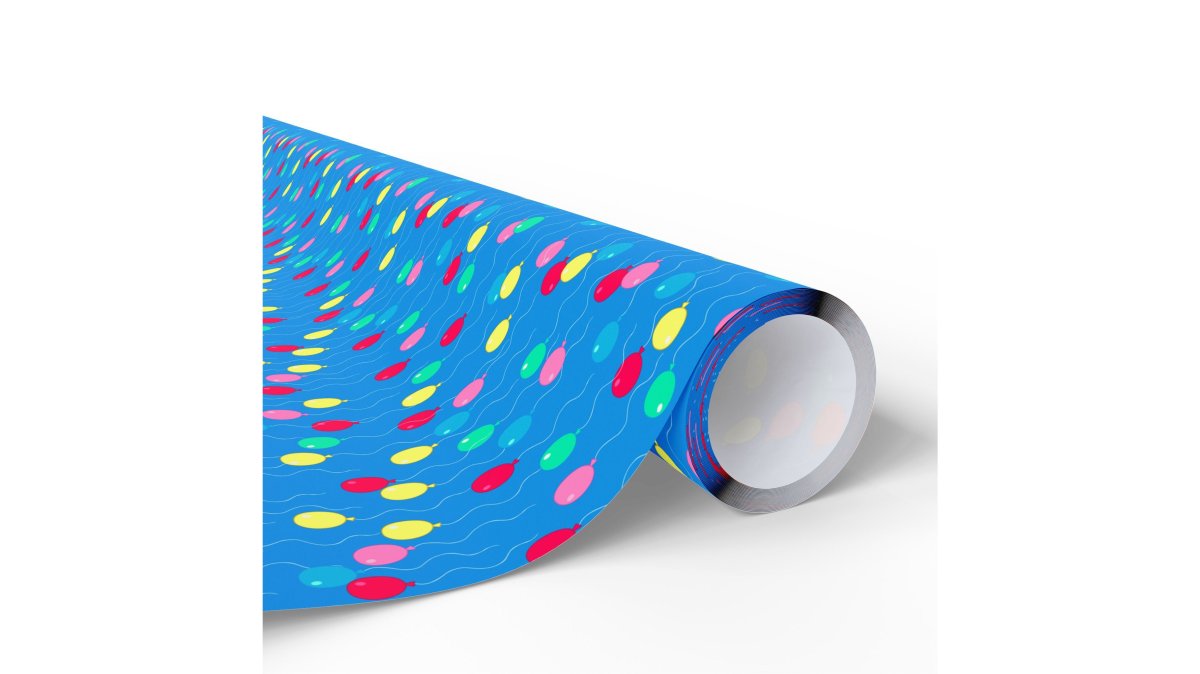
Choosing the Right Paper for Different Gift Shapes and Weights
Assess what you're wrapping before selecting paper.
Match paper weight to gift size:
- Small, lightweight gifts (jewelry, books): 80-90 gsm recycled paper works fine; thin paper is easier to fold for small packages
- Medium boxes and standard gifts: 90-100 gsm recycled paper is ideal; provides durability without excess stiffness
- Large or oddly-shaped gifts: 100+ gsm recycled paper; heavier weight prevents tearing under tension
Paper type also matters for different shapes:
- Rectangular boxes: Any durable recycled paper works; straightforward folding minimizes stress
- Cylindrical or round objects: Use flexible recycled paper (matte finish, no heavy lamination); stiff paper cracks at fold lines
- Oddly-shaped items: Recycled paper with slight texture provides better grip; prevents slipping during wrapping
Holiday Wrapper's Christmas Santa's Stockings Yellow Wrapping Paper, printed on 90 gsm fine art stock, works well for most standard gift sizes and shapes without tearing.
Folding, Taping, and Handling Techniques
Folding, creasing, and taping directly affect whether recycled paper tears.
Best practices for wrapping with recycled paper:
-
Make gentle creases, not sharp folds: Press paper gently along fold lines rather than creating aggressive, knife-like creases. Sharp creases concentrate stress in one area and can cause the paper to split.
-
Avoid over-taping: Use the minimum tape necessary. Each piece of tape creates a stress point where paper is more likely to tear if the package gets bent.
-
Cut cleanly instead of tearing: Never tear recycled wrapping paper by hand. Use scissors or a paper cutter to create straight edges. Hand-tearing weakens the fibers at the tear line.
-
Keep paper flat during storage: Store wrapped gifts flat or in a box. Stacking heavy items on top of wrapped presents can crease and weaken the paper.
-
Wrap in one smooth motion: Don't unwrap and re-wrap. Each time you unfold paper, you weaken the fibers at the fold lines.
-
Use low-tack or removable tape: Standard tape can pull at paper fibers when removed. Low-tack tape is gentler on recycled paper.
Recyclable Wrapping Paper: Identifying and Selecting Durable Options
Not all recyclable wrapping paper is created equal, knowing how to identify durable, recyclable options helps.
Paper-Only vs Mixed-Material Wrapping
Paper-only wrapping is 100% paper with no plastic, foil, or synthetic coatings, fully recyclable and typically durable thanks to straightforward manufacturing.
Mixed-material wrapping combines paper with plastic, foil, or lamination. These are often NOT recyclable because facilities can't easily separate the materials; they may feel sturdier but are harder to recycle.
For durability AND recyclability:
- Choose paper-only recycled wrapping paper whenever possible
- Avoid heavily laminated or plastic-coated options
- Look for paper labeled as "100% recyclable" or "paper-only"
Holiday Wrapper's Christmas Snowy Baubles Wrapping Paper is printed on 90 gsm fine art paper with your choice of glossy or matte finish, making them durable choices.
Christmas Santa's Stockings Yellow Wrapping Paper | Holiday Gift Wrapping Paper →
Removing Tape, Ribbons, and Accessories Before Recycling
After unwrapping, preparing the paper properly determines whether it actually gets recycled. Tape, ribbons, and accessories contaminate recycling streams and jam equipment.
Steps to prepare recycled wrapping paper for recycling:
-
Remove all tape: Peel off every piece of adhesive tape before placing paper in the recycling bin. Tape jams sorting equipment.
-
Remove ribbons and bows: These are not recyclable with paper and should be composted or reused.
-
Remove gift tags: Cardboard or plastic tags must be removed; compost cardboard tags separately.
-
Check for plastic windows or inserts: Some decorative wrapping paper has plastic windows or plastic-backed sections. These cannot be recycled with paper.
-
Flatten the paper: Crumpled paper takes up more space and can jam equipment. Flatten sheets before recycling.
-
Keep paper dry: Wet paper doesn't recycle well. Store used wrapping paper in a dry location before recycling.
Most curbside recycling programs accept clean, tape-free wrapping paper. Check your local guidelines to confirm.
Eco-Friendly Gift Wrapping Ideas: Durable Sustainable Choices
Beyond recycled paper, several sustainable wrapping options offer durability and environmental benefits.
Recycled Content and Virgin Materials Comparison
Recycled-content paper uses waste paper as its primary material, diverting waste from landfills and requiring less energy than virgin paper. It's durable when made from long fibers and high-quality waste streams.
Virgin-material paper uses tree pulp. It's often brighter and smoother but requires more water and energy; it can be just as durable as recycled paper, since durability depends on manufacturing quality, not material source.
The sustainability advantage of recycled paper is often environmental. Both recycled and virgin paper can be durable if manufactured well.
Other sustainable wrapping options:
- Kraft paper: Made from wood pulp (often recycled); very durable and recyclable
- Tissue paper: Lightweight and compostable; less durable but beautiful for delicate items
- Fabric wrapping (furoshiki): Reusable cloth that replaces disposable paper entirely; extremely durable
Reusing and Storing Wrapping Paper Without Damage
The most sustainable wrapping paper is one you reuse, extending its life and reducing waste.
How to reuse wrapping paper without damage:
-
Unwrap carefully: Gently peel tape instead of ripping it. Preserve the paper for future use.
-
Store flat or loosely rolled: Don't crease or fold reused paper tightly. Store in a flat box or loosely rolled on a tube.
-
Keep in a cool, dry place: Humidity and heat damage paper fibers. Store in a closet or drawer, not in a damp basement or hot attic.
-
Repair small tears: Use clear tape on the back side to patch small tears. Tape won't show once the paper is wrapped around a gift.
-
Organize by size and color: Keep similar sizes together so you can find the right paper quickly. Reduces handling and potential damage.
-
Limit storage time: Paper degrades over time. Use stored paper within 1-2 years for best results.
Well-maintained recycled wrapping paper can often be reused, which can reduce environmental impact compared to single-use paper.
Testing Recycled Wrapping Paper Durability Before You Buy
Before committing to a large order, test recycled wrapping paper to confirm it meets your durability standards.
Simple durability tests you can do:
-
Tear test: Hold a small piece of paper and gently pull it in opposite directions. Quality recycled paper resists tearing and doesn't split easily.
-
Fold test: Fold a corner of the paper sharply and unfold it. The crease should hold without cracking or splitting.
-
Moisture test: Lightly dampen a small piece and let it dry. It should return to normal without becoming brittle or warped.
-
Tape adhesion test: Apply a piece of tape to the paper and remove it. The paper should not tear or shred where the tape was applied.
-
Weight test: Hold the paper in your hands. It should feel substantial and not flimsy or tissue-thin.
If recycled wrapping paper passes these tests, it's durable enough for most wrapping situations.
Recycled wrapping paper durability can be excellent if you choose quality options. Modern recycled paper manufacturing can produce paper that's strong and reliable.
At Holiday Wrapper, we're committed to offering wrapping paper that's both beautiful and durable.
Frequently Asked Questions
Is recycled wrapping paper durable enough for heavy gifts?
Yes, recycled wrapping paper can handle heavy gifts if it meets the right specifications. Look for paper with a weight of at least 80-90 gsm (grams per square meter), which provides sufficient sturdiness and tear resistance. The durability depends on paper fiber quality, finish type, and whether the paper has reinforced cellulose. Higher-quality recycled paper with fine art finishes can hold up well during folding and taping. Test a small section before wrapping valuable items.
Does recycled wrapping paper tear more easily than regular wrapping paper?
Not necessarily. Quality matters more than whether paper is recycled or virgin. Recycled wrapping paper printed on 90 gsm fine art stock performs comparably to regular wrapping paper of similar weight and finish. The difference lies in paper fiber composition and manufacturing process. Thinner recycled paper (under 70 gsm) may tear more easily, but premium recycled options with proper cellulose structure and smooth finishes can resist tearing well. Always check the paper weight and material description before purchasing.
What makes recycled wrapping paper less durable?
Recycled wrapping paper durability can be reduced by several factors: lower paper weight (below 80 gsm), excessive glitter or foil coatings that crack under stress, plastic lamination that becomes brittle, and poor-quality paper fibers that lack tensile strength. Additionally, moisture exposure can weaken paper fibers. Paper with vegetable-based inks and minimal coating can maintain good durability. Avoid overly thin recycled options if you're wrapping heavier gifts or need the paper to withstand multiple folds.
How do I know if recycled wrapping paper is strong enough before buying?
Check the paper weight specification (aim for 80-90 gsm minimum), examine product descriptions for mentions of 'fine art stock' or 'premium paper,' and look for details about paper fiber content and finish type. Read customer reviews specifically about durability and tear resistance. If available, request a sample or purchase a small roll first to test. When you receive it, do a simple tear test: the paper should resist tearing when you pull gently, and it should fold without cracking. Holiday Wrapper's wrapping paper is printed on 90 gsm fine art stock, designed for durable, high-quality wrapping.
0 comments